Sewer Camera Inspection in Boulder, CO
Stop guessing what's wrong underground. A high-resolution sewer camera shows the line's actual condition — roots, cracks, bellies, and blockages — so you fix the real problem.
- Residential and commercial requests
- Boulder-area service coverage
- Free, no-obligation estimate request
Service at a glance
- Best suited for
- Confirming the cause and condition of a line before repair or jetting.
- Common signs
- Recurring clogs, unknown pipe condition, or a pre-purchase sewer check.
- Tools that may be used
- Self-leveling sewer camera, line locator, cleanout access
Related service
Sewer Line CleaningWhat is a sewer camera inspection?
Quick answer
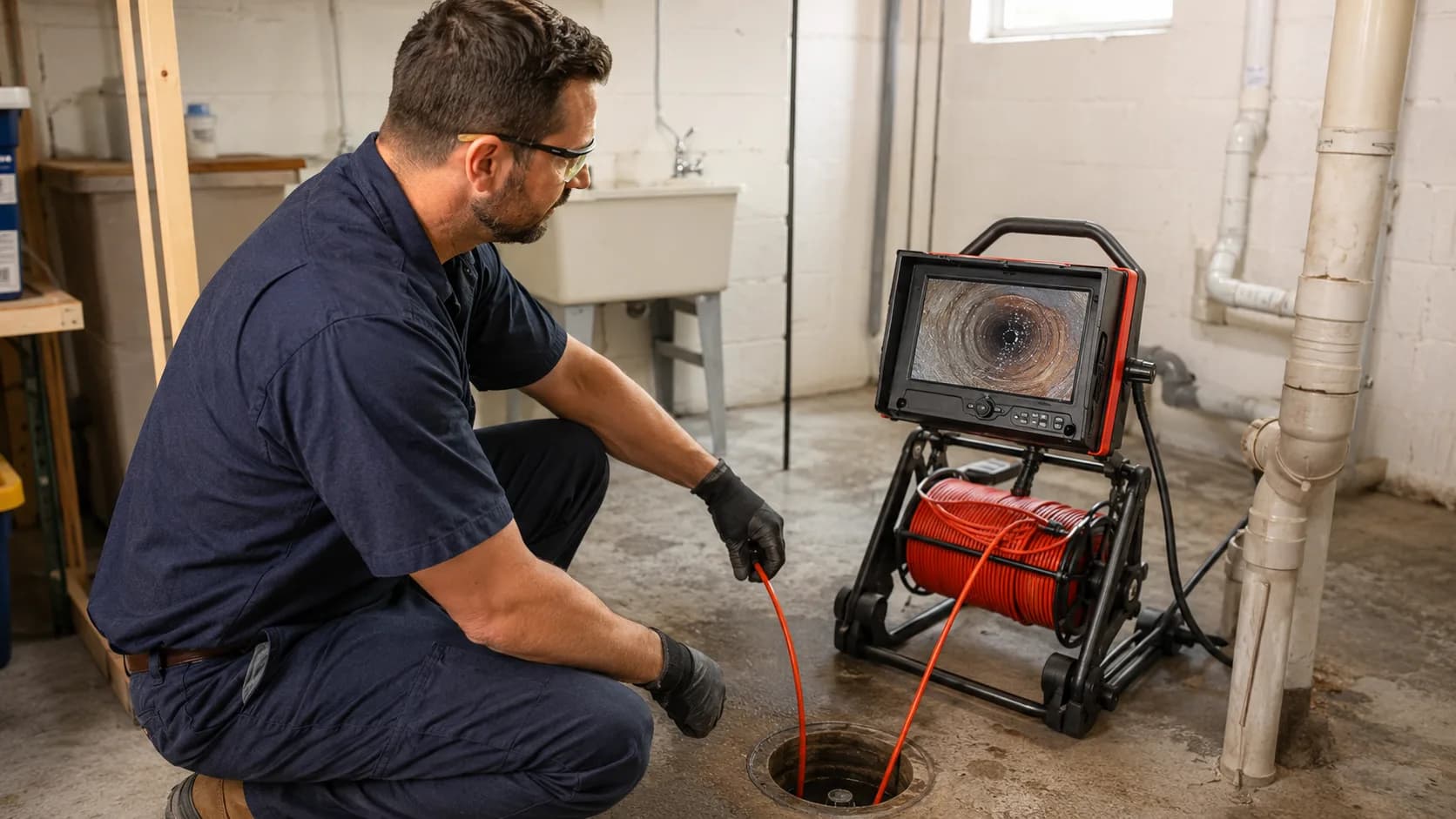
A sewer camera inspection sends a waterproof, high-resolution video camera on a flexible cable through your sewer line to show its interior condition in real time. It locates roots, cracks, offset joints, bellies, corrosion, and blockages, and pinpoints their depth and position — replacing guesswork with a precise diagnosis.
It's especially valuable before buying a home, before major repairs, and for any recurring drain problem where the cause isn't obvious from inside the house.
A built-in locator marks the exact depth and ground position of anything found, so if a repair is needed, work targets the right spot.
- Licensed & insured
- 24/7 emergency availability
- Same-day service options
- Drain and sewer specialists
Sewer Camera Inspection in Boulder, CO by Boulder Drain Cleaning. Licensed and insured drain and sewer service support for homes and businesses across Boulder and nearby areas.
A camera inspection is the diagnostic foundation of smart sewer work. Rather than guessing, a waterproof camera on a flexible push-cable shows the line's condition on a monitor in real time.
It distinguishes problems that look identical from inside the house — a simple clog versus root intrusion, a grease layer versus a cracked pipe, a one-time backup versus a bellied section that will keep failing.
In Boulder's market, many homes have decades-old clay, cast-iron, or Orangeburg laterals, so a pre-purchase sewer scope is a practical way to understand a line's condition before closing.
A sewer camera inspection sends a waterproof video camera on a flexible cable into a sewer or drain line so the interior can be viewed in real time. It is a diagnostic service rather than a cleaning or repair, used to identify the cause and location of a problem, document a pipe's condition, or evaluate a line before a property purchase. The footage helps a property owner understand exactly what is happening underground before deciding on any further work.
When To Use This Service
Is sewer camera inspection the right call?
Use these scenarios as a quick decision guide. If several apply, this is likely the service to request — though a provider confirms the cause on site.
Recurring backups where the cause is unclear and needs to be confirmed
Before purchasing a property, to document the condition of the sewer line
After a clearing, to confirm whether buildup or roots have been removed
When deciding whether a line can safely tolerate hydro jetting
To locate and measure the depth of a defect, blockage, or root entry point
When choosing between repair and replacement and you need evidence of the pipe's state
To investigate persistent odors or slow drainage with no obvious source
Clogged drain service or sewer-line service?
A quick way to tell whether the problem is local or in the main line.
Clogged drain service
- Usually one fixture or branch line
- Localized symptoms
- Other fixtures work normally
Sewer-line service
- Several fixtures affected
- Backup at a low drain
- Toilets and drains react together
Warning Signs
Know the warning level
Drain symptoms tend to escalate. Catching them at the early or recurring stage is far easier than handling an urgent backup.
- Drainage is slower than usual
- Occasional gurgling from a drain or trap
Good time to request service before it worsens.
- Drains that clog repeatedly despite cleaning
- Buying an older home with an unknown sewer condition
- Sewer odors or backups with no obvious single-fixture cause
- Soggy spots or settling in the yard over the line
- A recommendation for major repair you want to verify first
- Multiple fixtures draining slowly at once
Worth diagnosing the cause so it stops returning.
- Diagnosing the cause of an active sewage backup
- Confirming whether a blocked main line is clogged or collapsed
- Verifying line condition after flooding or heavy snowmelt
- Pinpointing a sudden backup before an emergency repair
Common Causes
What leads to sewer camera inspection
Recurring clogs
When clogs keep returning, a camera reveals whether buildup, roots, or a defect is the cause.
Pre-purchase due diligence
Buyers scope the line before closing to understand its condition.
Suspected root intrusion
A camera confirms root intrusion and locates the entry point.
Planning a repair
Before any repair, the camera defines exactly what's wrong and where.
Locating a line
The locator pinpoints the depth and ground position of the pipe or problem.
The Inspection
What a sewer camera inspection involves
Seeing the pipe's real condition and locating findings precisely.
Findings are reviewed with you before any repair, jetting, or further work is recommended.
- 1
Access the line
Insert the camera through an existing cleanout or suitable access point.
- 2
Inspect on camera
Push the camera through the line, examining the pipe wall, joints, and flow in real time.
- 3
Locate findings
The locator marks the exact depth and ground position of any defect or blockage.
- 4
Review the footage
Walk through what was found on screen, explained in plain language.
- 5
Recommend next steps
Provide the footage and a clear recommendation — cleaning, repair, or simply peace of mind.
Inspection & Diagnosis
Inspection & diagnosis for sewer camera inspection
An inspection is most useful when symptoms are ambiguous or repeating. Rather than guessing whether a problem is caused by roots, grease, a belly in the line, or a structural fault, the camera lets a provider observe the actual condition of the pipe. Many inspections also use a locator that pinpoints the camera's position and depth from the surface, which is valuable for planning any digging or repair.
The footage is also a decision-making tool. Seeing a cracked joint, a sagging section, or a collapsed length helps a property owner understand why a recommendation is being made and choose between options such as targeted cleaning, a spot repair, or replacement. Because the inspection only observes and does not alter the pipe, it carries little risk to the line itself and is often the sensible first step when the cause is uncertain.
Limitations
What this service can't do
Every service has limits. Knowing them helps you request the right one.
- An inspection diagnoses and documents but does not clear clogs or repair the pipe
- A heavily blocked or flooded line may need clearing first before the camera can pass
- Camera access depends on a suitable cleanout or entry point being available
- Very tight bends or collapsed sections can stop the camera from advancing further
- Interpretation of the footage depends on the operator's experience
- It shows current condition but cannot predict exactly when a flaw will fail
When You May Need Another Service
Situations that call for something else
The line is fully blocked and the camera cannot pass the obstruction
The blockage must be cleared before a camera can travel far enough to provide a useful view.
Clogged Drain ServiceThe footage reveals cracks, separated joints, or a localized collapse
Once a structural defect is documented, a repair service addresses the actual fault the camera revealed.
Sewer Line RepairBuildup is coating the pipe and obscuring the view
Cleaning the line first allows the camera to assess the true condition of the pipe walls.
Sewer Line Cleaning
Compare Services
How camera inspection relates to clearing and repair services
| Factor | Camera Inspection | Clearing / Repair |
|---|---|---|
| Primary role | Diagnoses and documents condition | Clearing removes blockages; repair fixes faults |
| Changes the pipe | No; it only observes | Yes; these services act on the line |
| Best used | When the cause is uncertain or before a purchase | When the problem is already identified |
| Output | Video footage and a located, measured position | Restored flow or a repaired section |
| Typical sequence | Often comes first to guide decisions | Follows once the inspection identifies the issue |
The Value
What sewer camera inspection accomplishes
Accurate diagnosis
See the real condition of the line so you fix the actual problem, not a guess.
Avoids unnecessary digging
Pinpointing the problem location helps prevent exploratory excavation.
Informs a home purchase
A pre-purchase scope can reveal a failing line before closing.
Documented record
Footage provides a record of the line's condition for planning or claims.
Applications
Residential & commercial use
For homeowners
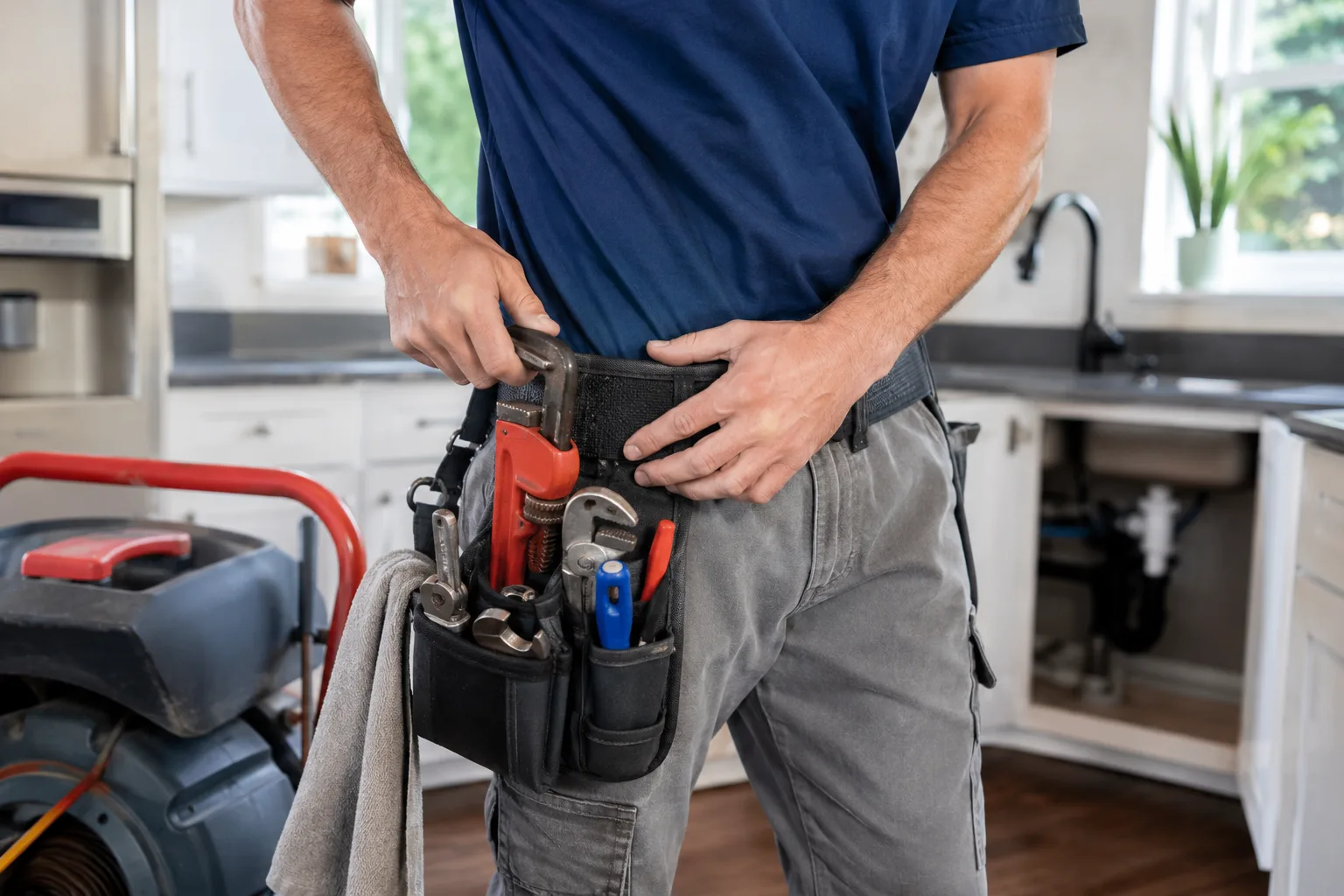
For homeowners, a camera inspection is frequently used to settle uncertainty about a recurring drainage problem or to assess a sewer line before buying a house. A pre-purchase scope can reveal hidden issues such as root intrusion, a sagging section, or aging pipe that would not be visible during a standard walkthrough, giving the buyer information to factor into their decision.
Homeowners also use inspections to confirm that a previous cleaning worked or to understand a recommendation before committing to repair. Because the footage shows the actual condition and the locator marks where any defect sits, the owner gains a clear, evidence-based view rather than relying on assumptions about what lies beneath the yard.
For property managers & businesses
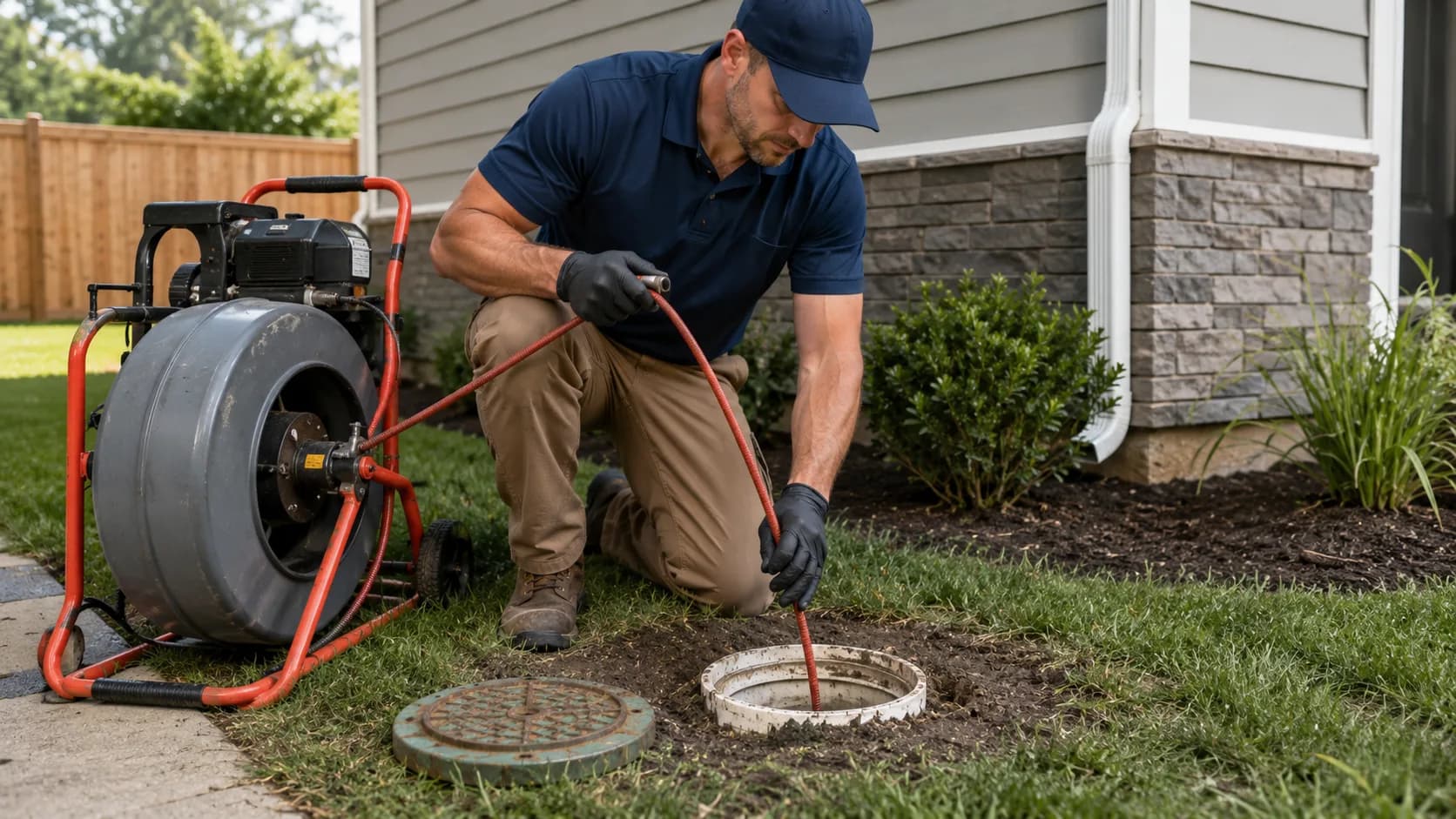
Commercial properties and multi-unit buildings use camera inspections to plan maintenance, document the condition of shared lines, and investigate problems that affect multiple occupants. Knowing the exact location and depth of an issue helps a property manager coordinate any repair with the least disruption to tenants or operations.
On larger sites with long runs beneath parking areas and walkways, an inspection that locates and measures a defect can save considerable guesswork before any excavation. The footage also provides a record that can be referenced over time to track how a line's condition changes and to support planning decisions.
Cost Factors
What affects the cost of sewer camera inspection
Pricing varies by situation and is set by the provider. These factors influence it.
Line length
Longer lines take more time to inspect thoroughly.
Access availability
An existing cleanout is simpler than lines requiring alternate access.
Locating service
Marking the exact depth and position of a defect above ground may be added.
Standalone vs. bundled
An inspection bundled with cleaning or repair is often more economical than a standalone scope.
Footage & report
A documented report and copy of the footage may be included.
Questions To Ask
Questions to ask a service provider
Bring these to any provider who follows up on your request.
- Will the inspection include locating and marking the depth of any defect found?
- Does the line need to be cleared first before the camera can pass?
- Will I receive the footage or a report documenting what was found?
- Can you explain what each issue in the footage means for my options?
- Is there suitable access on the property for the camera equipment?
- Can the inspection confirm whether the pipe can tolerate hydro jetting?
- What are the next steps if a structural problem is found?
How to prepare
- Locate any cleanout access points and clear the area around them
- Note where and how often drainage problems occur to guide the inspection
- Gather any prior inspection footage or plumbing records for comparison
- If buying a property, confirm access arrangements with the current owner
- Be ready to describe symptoms such as slow drains, odors, or backups
- Consider whether the line should be cleared first if it is currently blocked
Safety guidance
- Keep the work area clear so equipment can be fed into the line safely
- Avoid contact with any standing wastewater near an open cleanout
- Let an equipped provider handle the camera and locating equipment
- Ventilate enclosed spaces if sewer odors are released during access
- Keep children and pets away from open access points
- Wash hands thoroughly after being near any exposed drain access
Prevention & maintenance
- Consider a periodic inspection for older lines to catch issues early
- Use a pre-purchase scope to avoid inheriting hidden sewer problems
- Keep copies of inspection footage to track changes in the line over time
- Inspect after major root clearings to confirm the entry point and condition
- Address documented minor defects before they progress to failures
- Note the located positions of any defects for future reference
Why A Professional
Why sewer camera inspection is best handled by a professional
An inspection is only as good as the person reading it. Telling the difference between a harmless joint and an offset catching debris, or normal pipe texture and early corrosion, takes trained eyes.
Professional equipment includes a self-leveling camera head and an accurate locator, so if a repair is needed, the crew digs in exactly the right spot.
In the Boulder area
In Boulder's Victorian-era historic-core homes, it is often impossible to tell clay from cast iron or galvanized pipe from the surface, since a single property can contain more than one material along its run. A camera inspection is a practical way to confirm what is actually in the ground and to reveal hidden bellies, cracks, or root intrusion that no surface clue would show.
Pre-purchase scopes are especially valuable here, where aging laterals under older homes can carry problems a standard walkthrough would miss. Confirming the line's material, condition, and the location of any defect through footage supports sound decisions about whether cleaning, repair, or replacement is the appropriate next step.
A pre-purchase scope is most requested for the older homes of Louisville, Lafayette, and Longmont's historic core, where a buyer can't tell clay from cast iron from the surface. What the camera finds points to the next step — sewer line cleaning for buildup, or a sewer line repair for a cracked joint.
Answers
Frequently Asked Questions
Common questions about sewer camera inspection.
What can a sewer camera inspection find?
It reveals roots, cracks, offset or separated joints, bellies (sags), corrosion, grease and scale buildup, blockages, and the pipe's material and overall condition — along with the depth and location of any problem.
Should I get a sewer scope before buying a home?
For older homes, it's worth considering. Many properties have decades-old clay, cast-iron, or Orangeburg laterals, and a failing sewer line can be expensive to replace — a scope helps you understand the condition before closing.
How long does a camera inspection take?
A typical residential inspection takes roughly 30 to 60 minutes depending on the line length and what's found.
Do I get a copy of the footage?
Footage can be provided so you have a record of the line's condition — useful for planning repairs, a home purchase, or supporting an insurance claim.
Do you need to dig to inspect the line?
No. The camera enters through an existing cleanout or access point, so inspection is non-invasive. Digging only comes into play if the footage reveals damage that needs repair.
Can a camera locate exactly where the problem is?
Yes. The camera head has a built-in transmitter, and a locator above ground marks the precise depth and position of any defect so a repair targets the exact spot.
What if the line is full of water or blocked?
A heavily flooded or fully blocked line may need to be cleared first so the camera can see. Often the line is cleaned, then inspected, for a clear view.
How often should a sewer line be inspected?
When buying a home, when you have recurring drain problems, before major repairs, and periodically for older homes with mature trees to catch developing issues early.
Free Estimate
Request a Free Drain Service Estimate
Share the drain or sewer problem, location, and preferred timing. Your request may be matched with an available local service provider for follow-up.
Any drain or sewer issue
Clogs, recurring backups, sewer-line questions, jetting, rooter, or camera inspections.
What to include
Affected fixtures, what you're seeing, how long it's lasted, and home vs. commercial.
Areas covered
Boulder and nearby communities across Boulder County and the Front Range.
What happens next
Your request may be matched with an available local service provider for follow-up.
Submitting this form allows us to contact you about your request and, where appropriate, connect you with a local service provider.
Form not loading? Open the estimate request.
Related Services
You might also need
Sewer Line Cleaning
Clearing roots, grease, and buildup from the main sewer line before it causes a backup.
View serviceSewer Line Repair
Repairing cracked, offset, or root-damaged sewer pipe — including trenchless options.
View serviceRooter Service
Cutting and clearing tree roots from drains and sewer lines, then locating where they entered.
View serviceSewer Camera Inspection requests across Boulder and nearby communities.
Have a drain or sewer problem in Boulder?
Tell us what's happening and request a free estimate from Boulder Drain Cleaning — licensed, insured, and available 24/7 for emergencies.