Emergency Drain Cleaning in Boulder, CO
Sewage backing up, a toilet overflowing, or every drain blocked at once? Here's what to do right now — and how to request urgent help.
- Residential and commercial requests
- Boulder-area service coverage
- Free, no-obligation estimate request
Service at a glance
- Best suited for
- An active backup, overflow, or sewer odor that can't wait.
- Common signs
- Sewage backing up, an overflowing fixture, or several drains failing at once.
- Tools that may be used
- Drain auger / cable, hydro jetting, sewer camera inspection
Related service
Clogged Drain ServiceWhat should I do during a drain or sewer emergency?
Quick answer
Stop using all water immediately to prevent more backup, shut off the supply valve to any overflowing fixture, keep people and pets away from sewage, and avoid chemical drain cleaners. Then request urgent professional help. Fast action limits water damage and contamination.
Most true emergencies are main-line problems: when the main line is blocked, wastewater backs up through the lowest drains in the home, such as a basement floor drain or ground-floor shower.
Once the immediate backup is handled, finding the underlying cause — roots, buildup, or pipe damage — helps prevent a repeat.
- Licensed & insured
- 24/7 emergency availability
- Same-day service options
- Drain and sewer specialists
Emergency Drain Cleaning in Boulder, CO by Boulder Drain Cleaning. Licensed and insured drain and sewer service support for homes and businesses across Boulder and nearby areas.
A drain emergency — sewage backing up, a toilet overflowing, or every drain failing at once — is both a health hazard and a source of fast-spreading water damage. The priority is to stop the problem and limit the damage.
The most useful first steps are to stop water use, shut off the affected fixture's supply, keep people away from contamination, and avoid pouring chemicals into a backed-up line. From there, a professional can diagnose the cause and clear the blockage.
Boulder's emergencies have local triggers: spring snowmelt that overwhelms a root-restricted line, winter cold that can cause freeze-related blockages, and aging laterals in older neighborhoods that finally give way.
Emergency drain cleaning addresses urgent drainage failures that cannot safely wait, such as sewage backing up into a home, an overflowing toilet that will not stop, or a blocked main line causing wastewater to surface. The priority is to stop the immediate hazard, protect occupants and property, and restore safe drainage as quickly as conditions allow. Because raw sewage carries health risks, these situations call for prompt, careful handling.
When To Use This Service
Is emergency drain cleaning the right call?
Use these scenarios as a quick decision guide. If several apply, this is likely the service to request — though a provider confirms the cause on site.
Sewage backing up into tubs, floor drains, or multiple fixtures at once
A toilet or drain overflowing that does not stop after basic attempts to clear it
A main-line blockage causing wastewater to surface inside or outside the home
Backups that occur whenever any water is used, indicating the main line is blocked
Foul-smelling water rising in lower-level drains during normal household use
A complete loss of drainage across the property that creates a sanitation hazard
Clogged drain service or sewer-line service?
A quick way to tell whether the problem is local or in the main line.
Clogged drain service
- Usually one fixture or branch line
- Localized symptoms
- Other fixtures work normally
Sewer-line service
- Several fixtures affected
- Backup at a low drain
- Toilets and drains react together
Warning Signs
Know the warning level
Drain symptoms tend to escalate. Catching them at the early or recurring stage is far easier than handling an urgent backup.
- Drainage is slower than usual
- Occasional gurgling from a drain or trap
Good time to request service before it worsens.
- Sewage backing up into a tub, shower, or floor drain
- A toilet overflowing that won't stop after shutting the supply valve
- Every drain in the home slow or backing up at once
- Water or sewage near the foundation, in the basement, or in living space
- A strong sewer-gas odor that becomes a health concern
- Gurgling and backup spreading from fixture to fixture
Worth diagnosing the cause so it stops returning.
- Raw sewage backing up into the home
- An overflowing toilet flooding a bathroom
- All drains blocked with no usable plumbing
- Water or sewage threatening living space, electronics, or the foundation
- A strong sewer-gas odor creating a health concern
Common Causes
What leads to emergency drain cleaning
Main-line blockage
A fully blocked main line backs wastewater into the lowest drains — the most common true emergency.
Sewage backup
Roots, grease, or a collapse can force sewage back into tubs, showers, and floor drains.
Overflowing toilet
A blocked toilet or branch line can overflow and flood a bathroom quickly.
Snowmelt & runoff
Spring snowmelt can overwhelm a line already narrowed by roots or buildup.
Freeze-related blockage
Winter cold can block or stress drain and sewer lines in vulnerable areas.
Urgent Response
What to do in a drain emergency
Fast, safe steps to take while urgent help is arranged.
Stop water & stay safe
Stop using water, shut off the overflowing fixture, and keep people and pets away from sewage.
Request urgent help
Describe the situation so it can be prioritized and the right equipment is brought.
Diagnose on site
Find the cause and review a price before clearing begins.
Clear the blockage
Cable or jet the line to remove the blockage and stop the backup at its source.
Verify & advise
Confirm flow, recommend a camera inspection if the cause is unclear, and explain prevention.
For an active backup or overflow, treat it as urgent and request help right away.
Inspection & Diagnosis
Inspection & diagnosis for emergency drain cleaning
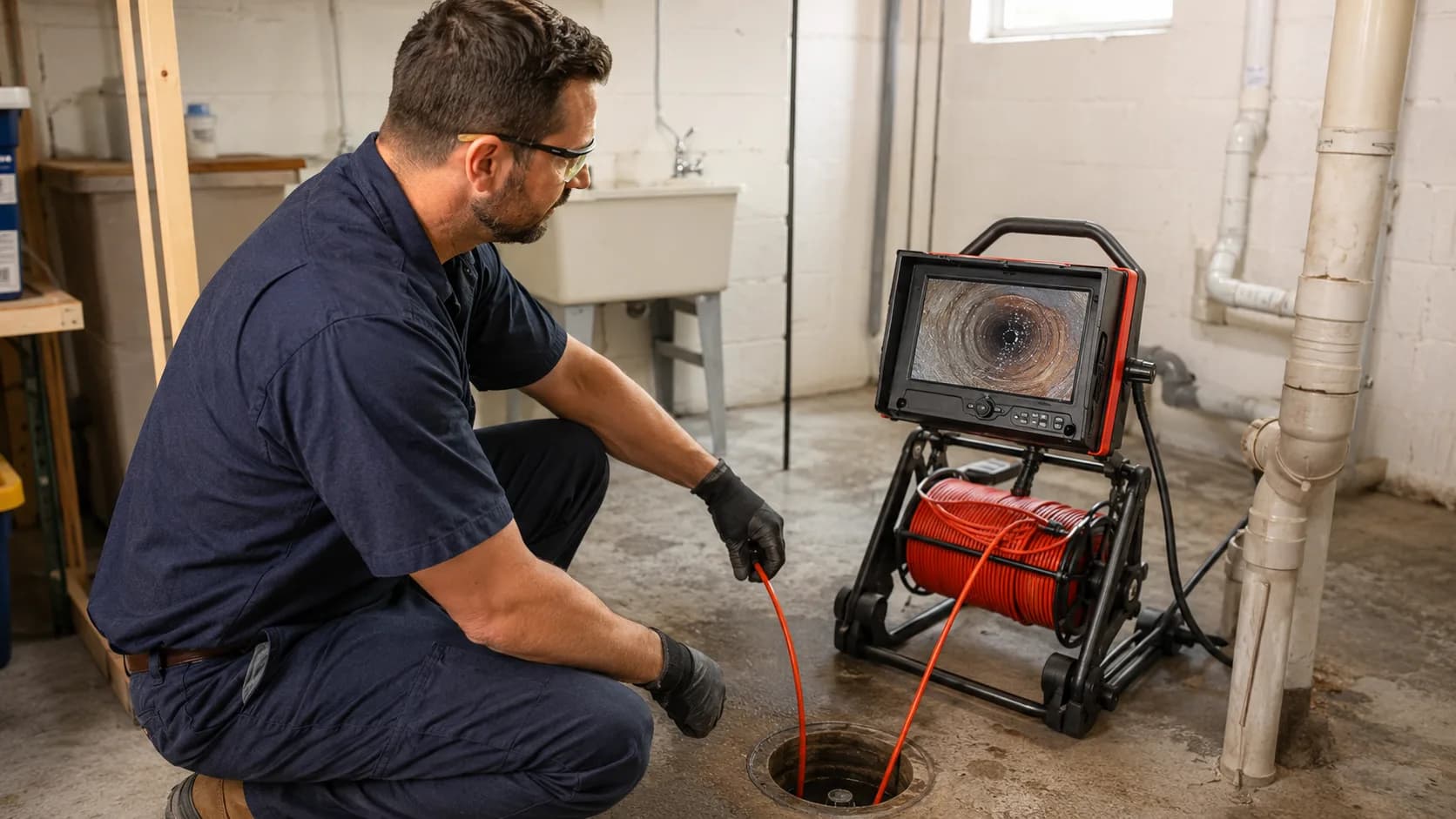
In an emergency, identifying whether the problem is a single fixture or the main line shapes the urgency. When several fixtures back up together, or when using a sink causes a toilet or floor drain to overflow, the main line is the likely culprit and continued water use will worsen the situation. A provider responding to an urgent call will generally work to confirm whether the obstruction sits in a branch line or the main before clearing it.
Locating the blockage and understanding its cause matter even under time pressure, because a backup driven by a collapsed pipe is a different problem from one caused by a clog or roots. Once the immediate hazard is controlled, a camera inspection may be recommended to determine what caused the failure and whether further work is needed to prevent a recurrence. The first goal, however, remains stopping the backup and limiting contamination.
Limitations
What this service can't do
Every service has limits. Knowing them helps you request the right one.
- Emergency clearing restores flow but may not address the underlying cause of the backup
- A backup caused by a collapsed or broken main cannot be permanently fixed by clearing alone
- Cleanup and sanitization of contaminated areas are usually separate from clearing the line
- Access to the main line or a cleanout is needed and is not always conveniently located
- A temporary clearing may need follow-up diagnosis to prevent the problem from returning
- Some causes, such as municipal main issues, fall outside private drain service
When You May Need Another Service
Situations that call for something else
Once the backup is controlled, the cause of repeated failures is unknown
A scope identifies whether roots, buildup, or a structural fault caused the emergency so it can be prevented.
Sewer Camera InspectionThe backup is traced to a collapsed or broken main line
A failed main cannot be permanently resolved by clearing and may require replacement of the affected line.
Sewer Line ReplacementRoots in the main line caused the blockage
Mechanically cutting the roots and locating the entry point addresses a recurring root-driven backup.
Rooter Service
Compare Services
How emergency clearing differs from routine and diagnostic services
| Factor | Emergency Drain Cleaning | Routine / Diagnostic Services |
|---|---|---|
| Primary goal | Stop the active backup and limit contamination | Maintain flow or diagnose a known issue |
| Timing | Urgent; the hazard cannot safely wait | Scheduled at the property owner's convenience |
| Health risk | High; raw sewage exposure is likely | Lower; usually no active sewage exposure |
| Scope of work | Focuses on restoring safe drainage fast | Can include thorough cleaning or full inspection |
| Follow-up | Often needs later diagnosis of the cause | May itself be the diagnostic or maintenance step |
The Value
What emergency drain cleaning accomplishes
Limits damage
Fast action minimizes water damage, contamination, and cleanup cost.
Safe handling
Contaminated water and blockages are handled with the right precautions.
Finds the cause
A diagnosis after the crisis helps prevent the next one.
Clear pricing
You review a price before work begins, even in an urgent situation.
Applications
Residential & commercial use
For homeowners
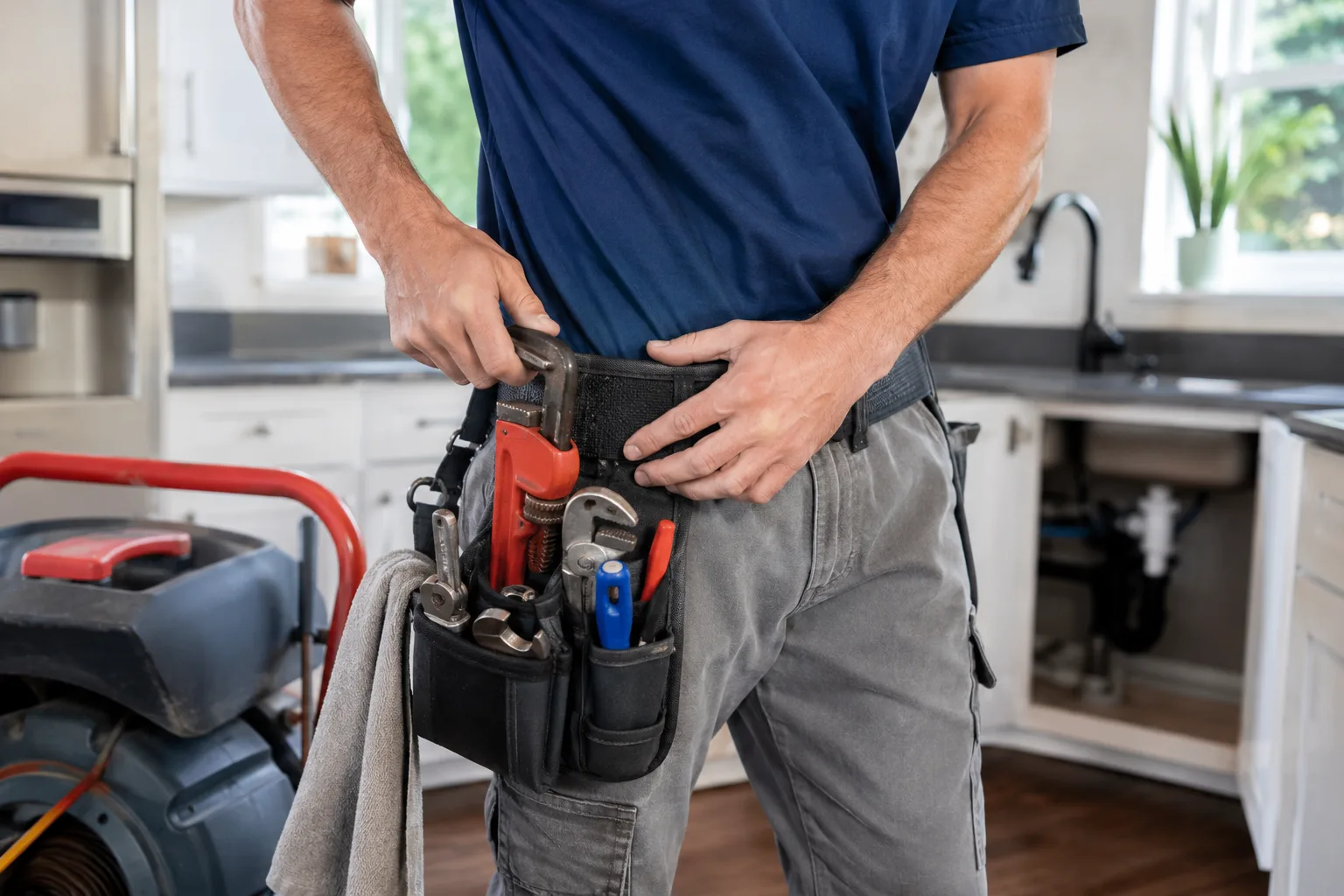
In a home, a sewage backup is both a sanitation hazard and a source of potential property damage, so the immediate response focuses on stopping water use and containing the affected area. Households often notice the main line is involved when running a sink or washing machine causes a toilet or floor drain to overflow, which is a signal to stop using water until the line is cleared.
After the urgent blockage is relieved, homeowners are commonly advised to have the cause investigated so the same emergency does not recur. The clearing handles the crisis, but a camera inspection can reveal whether roots, accumulated buildup, or a structural fault was responsible, which informs whether maintenance or repair is the appropriate next step.
For property managers & businesses
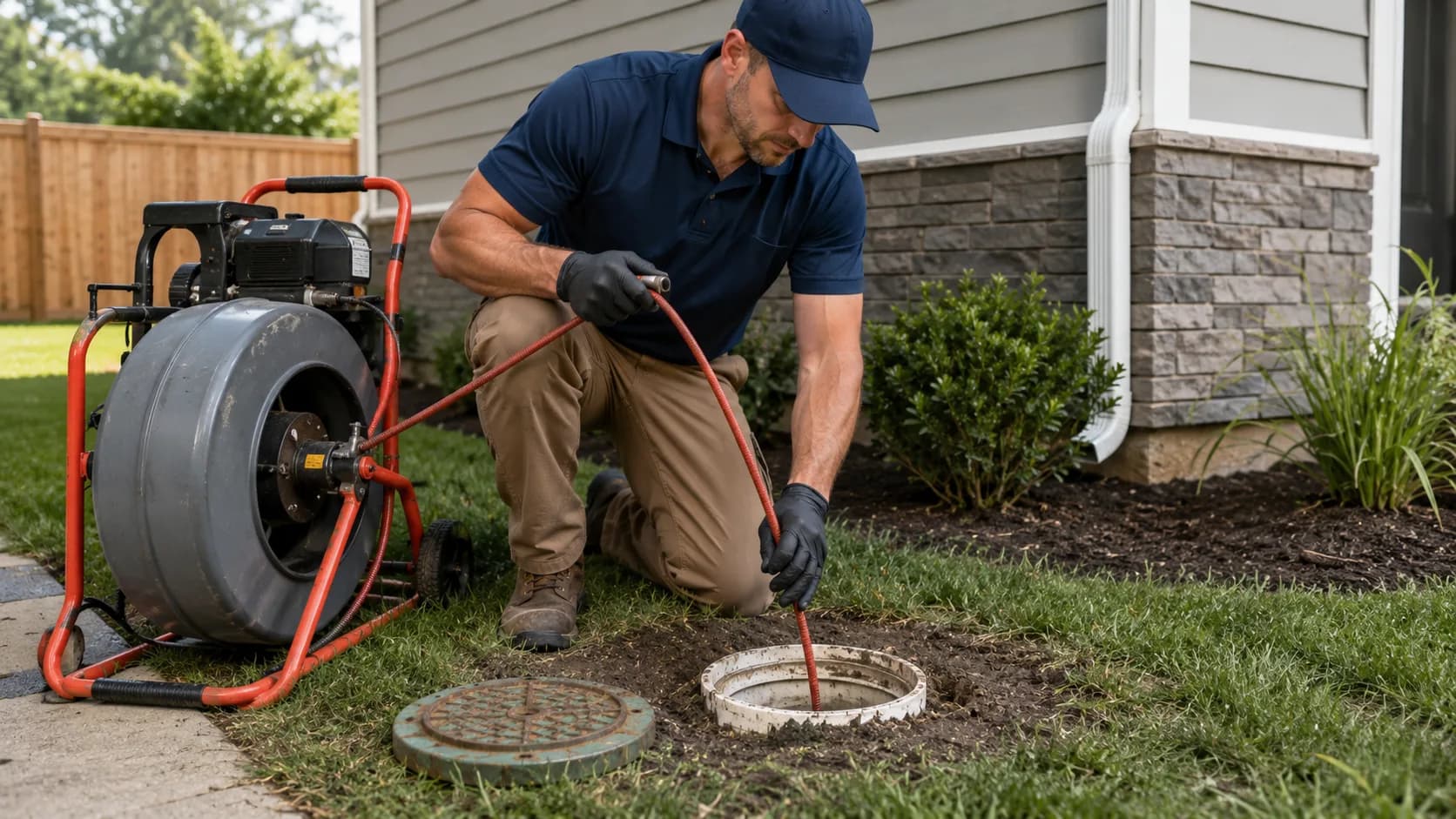
For commercial properties, a drainage emergency can halt operations, affect multiple tenants, and create a public health concern, so containing the situation quickly is a priority. Restaurants, offices, and multi-unit buildings may share lines, which means a single main-line blockage can disrupt several occupants at once and requires prompt attention to limit the impact.
Because business interruption and contamination carry real consequences, commercial property managers often want both rapid clearing and a follow-up diagnosis. Understanding whether the failure stemmed from grease, roots, or a failing line helps them plan corrective work and reduce the chance of a repeat emergency during operating hours.
Cost Factors
What affects the cost of emergency drain cleaning
Pricing varies by situation and is set by the provider. These factors influence it.
Time of service
After-hours, weekend, and holiday requests may carry a different rate.
Cause & severity
A simple toilet clog differs from a fully blocked main line requiring jetting.
Clearing method
Cabling, jetting, or pulling a fixture each affect the price.
Access
Available cleanout access speeds the job; harder access adds labor.
Follow-up diagnosis
A camera inspection to find the underlying cause may be recommended afterward.
Questions To Ask
Questions to ask a service provider
Bring these to any provider who follows up on your request.
- Is the blockage in a single fixture or the main line?
- What should I stop doing right now to keep the backup from getting worse?
- Once flow is restored, what likely caused the backup?
- Do you recommend a camera inspection to confirm the cause afterward?
- Is there evidence the main line is damaged rather than simply clogged?
- Could this be a municipal main issue rather than a private line problem?
- What steps will help prevent this emergency from happening again?
How to prepare
- Stop using all water and avoid flushing toilets to prevent more overflow
- Move valuables and belongings away from the affected area if safe to do so
- Locate the main cleanout access point if you know where it is
- Note which fixtures backed up first and what triggered the overflow
- Keep people and pets out of any area touched by sewage
- Have any past plumbing records or prior backup history ready to share
Safety guidance
- Treat any sewage backup as a contamination hazard and avoid direct contact
- Keep children and pets well away from contaminated water and surfaces
- Do not use electrical outlets or appliances near standing water
- Ventilate the area to reduce exposure to sewer gases and odors
- Wear gloves and wash thoroughly if contact with sewage is unavoidable
- Avoid running any water until the blockage has been confirmed cleared
Prevention & maintenance
- Have the cause diagnosed after an emergency so it does not recur
- Avoid flushing wipes, hygiene products, and other non-flushable items
- Keep grease and food solids out of drains to reduce main-line clogs
- Watch for early warning signs such as gurgling drains or slow toilets
- Consider periodic inspection if backups have happened before
- Know where your main cleanout is located before an emergency occurs
Why A Professional
Why emergency drain cleaning is best handled by a professional
In an emergency, the wrong move makes things worse. Pouring chemical drain cleaner into a backed-up line creates a caustic hazard, and running more water to 'flush it through' adds to the flood.
A professional knows to stop the source, clear the actual blockage, and handle contaminated water safely — then diagnose why it happened so it doesn't recur.
In the Boulder area
Spring snowmelt along the Front Range raises groundwater and loads basement floor drains, and a plugged floor drain has nowhere to send that water during a heavy melt, which is a common trigger for urgent backups in Boulder homes. Winter freeze adds stress to shallow laterals, so drainage emergencies in the area often cluster around seasonal extremes.
Heavy CU student rentals near University Hill are another factor, where high turnover and absentee owners mean problems get reported late and arrive as full backups. After the immediate hazard is controlled, an available local service provider may recommend a camera inspection to confirm whether a clog, roots, or a failing line caused the emergency.
Urgent backups cluster where finished basements and older mains meet spring snowmelt — the established neighborhoods of Longmont, Louisville, and Broomfield among them. Once the immediate backup is cleared, a sewer camera inspection finds the root or defect behind it so it doesn't repeat next thaw.
Answers
Frequently Asked Questions
Common questions about emergency drain cleaning.
What counts as a drain cleaning emergency?
Sewage backing up into the home, an overflowing toilet you can't stop, every drain blocked at once, or any backup threatening living space, electronics, or the foundation. These need prompt attention to limit damage and health risk.
What should I do first during a sewer backup?
Stop using all water, shut off the supply valve to any overflowing fixture, keep people and pets away from sewage, avoid chemical drain cleaners, and request urgent help. Limiting water flow is the most important first step.
Why is sewage backing up into my bathtub or basement?
That's a classic sign of a main-line blockage. When the main line is blocked, wastewater can't exit and backs up through the lowest drains in the home — often a basement floor drain or a ground-floor tub or shower.
Is sewage backup a health hazard?
Yes. Raw sewage contains bacteria and pathogens. Keep people and pets away, don't track it through the home, and let a professional handle the contaminated water and clearing safely.
Can the emergency be prevented from happening again?
Often. After clearing the immediate backup, a camera inspection can find the underlying cause — roots, buildup, or pipe damage — so it can be addressed before it causes another emergency.
Do emergencies spike at certain times of year?
They can. Spring snowmelt may overwhelm lines already narrowed by roots, and winter cold can cause freeze-related blockages. Older homes with clay or cast-iron sewers are most vulnerable during these periods.
Should I keep using other drains during a backup?
No. Using any water adds to a main-line backup. Stop all water use until the blockage is cleared.
What information helps when I request urgent service?
Which fixtures are affected, whether sewage is present, when it started, and whether you've had recent backups. That helps the situation be prioritized and the right equipment brought.
Urgent drain help
24/7 Emergency Drain Cleaning in Boulder, CO
Emergency drain service by Boulder Drain Cleaning is available for urgent drain backups, sewer-line problems, and same-day drain cleaning requests in Boulder and nearby areas.
- Active sewer backup
- Overflowing floor drain
- Toilet backup
- Sewage odor
- Several fixtures backing up at once
- Standing water near finished areas
- Main sewer line blockage
Free Estimate
Request a Free Drain Service Estimate
Share the drain or sewer problem, location, and preferred timing. Your request may be matched with an available local service provider for follow-up.
Any drain or sewer issue
Clogs, recurring backups, sewer-line questions, jetting, rooter, or camera inspections.
What to include
Affected fixtures, what you're seeing, how long it's lasted, and home vs. commercial.
Areas covered
Boulder and nearby communities across Boulder County and the Front Range.
What happens next
Your request may be matched with an available local service provider for follow-up.
Submitting this form allows us to contact you about your request and, where appropriate, connect you with a local service provider.
Form not loading? Open the estimate request.
Related Services
You might also need
Clogged Drain Service
Clearing slow and blocked sinks, tubs, showers, and toilets — and finding why it clogged.
View serviceRooter Service
Cutting and clearing tree roots from drains and sewer lines, then locating where they entered.
View serviceSewer Line Cleaning
Clearing roots, grease, and buildup from the main sewer line before it causes a backup.
View serviceEmergency Drain Cleaning requests across Boulder and nearby communities.
Have a drain or sewer problem in Boulder?
Tell us what's happening and request a free estimate from Boulder Drain Cleaning — licensed, insured, and available 24/7 for emergencies.