Hydro Jetting in Boulder, CO
When cabling isn't enough, hydro jetting scours the entire pipe wall with high-pressure water — removing grease, scale, and roots that ordinary snaking leaves behind.
- Residential and commercial requests
- Boulder-area service coverage
- Free, no-obligation estimate request
Service at a glance
- Best suited for
- Recurring grease, sludge, scale, or roots coating the full pipe wall.
- Common signs
- Drains slow across the property, or clogs return soon after snaking.
- Tools that may be used
- Hydro jetting equipment, sewer camera inspection, cleanout access
Related service
Sewer Line CleaningWhat is hydro jetting?
Quick answer
Hydro jetting uses controlled high-pressure water — typically up to several thousand PSI through a specialized nozzle — to remove grease, scale, sludge, and roots from the inside of a drain or sewer line. Unlike snaking, which clears a path through a clog, jetting cleans the full pipe wall.
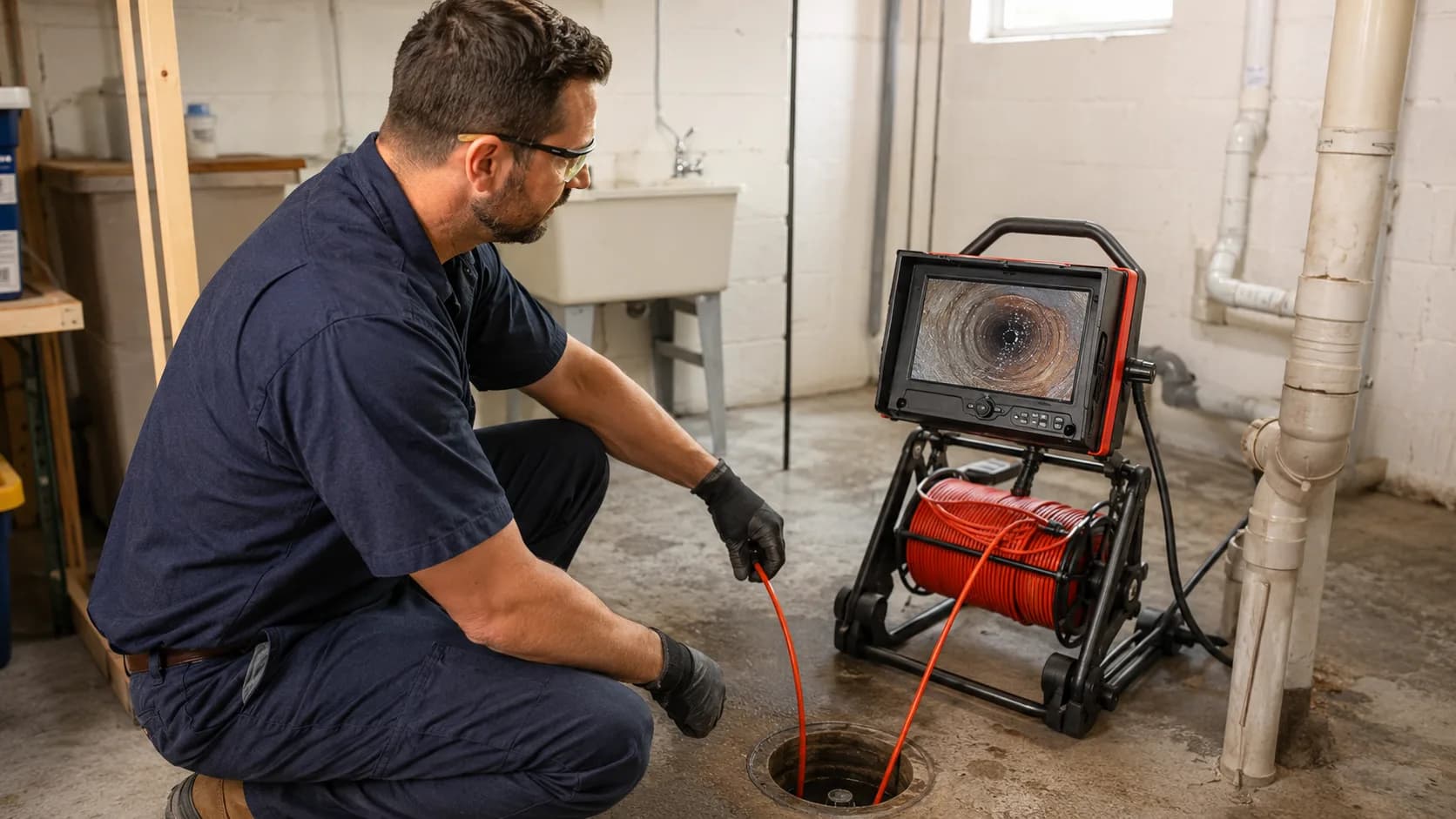
Because it's powerful, responsible jetting starts with a camera inspection to confirm the pipe can handle the pressure and to set the right nozzle — especially important for older, fragile pipe.
Jetting is best suited to heavy grease, mineral scale, recurring clogs, and root intrusion, where simply clearing a path would let the problem return quickly.
- Licensed & insured
- 24/7 emergency availability
- Same-day service options
- Drain and sewer specialists
Hydro Jetting in Boulder, CO by Boulder Drain Cleaning. Licensed and insured drain and sewer service support for homes and businesses across Boulder and nearby areas.
Hydro jetting is among the most thorough ways to clean a drain or sewer line. A high-pressure hose with a specialized nozzle propels itself through the pipe, directing jets of water that cut roots, emulsify grease, and strip scale off the entire circumference.
The difference from snaking matters: a cable clears a path through a blockage; jetting cleans the whole pipe, which is why it suits grease-laden kitchen lines, scale-narrowed pipe, and main lines where buildup keeps returning.
On older pipe, jetting should follow a camera inspection so pressure can be matched to the pipe's condition — a complete clean without stressing a fragile line.
Hydro jetting uses water delivered at high pressure through a specialized nozzle to scour the interior walls of a drain or sewer line. Unlike a cable that punches a hole through an obstruction, the water stream is intended to remove built-up grease, soap scum, mineral scale, sludge, and fine root intrusion from the full circumference of the pipe. This service is generally requested when a line has slowed gradually over time or keeps clogging in the same place, suggesting that buildup, rather than a single isolated object, is the problem.
When To Use This Service
Is hydro jetting the right call?
Use these scenarios as a quick decision guide. If several apply, this is likely the service to request — though a provider confirms the cause on site.
Kitchen or restaurant lines that clog repeatedly due to accumulated grease and fats
Slow drainage that returns within weeks of a cable clearing, suggesting coating on the pipe walls
Lines with mineral scale or hardened sludge that a cable alone cannot fully remove
Sewer lines with fine or early-stage root intrusion that a provider determines are still structurally sound
Maintenance cleaning where a camera inspection has confirmed the pipe can withstand pressurized water
Restoring flow capacity in a line that has narrowed from years of accumulated debris
Clogged drain service or sewer-line service?
A quick way to tell whether the problem is local or in the main line.
Clogged drain service
- Usually one fixture or branch line
- Localized symptoms
- Other fixtures work normally
Sewer-line service
- Several fixtures affected
- Backup at a low drain
- Toilets and drains react together
Warning Signs
Know the warning level
Drain symptoms tend to escalate. Catching them at the early or recurring stage is far easier than handling an urgent backup.
- Drainage is slower than usual
- Occasional gurgling from a drain or trap
Good time to request service before it worsens.
- Drains that clog again soon after being snaked
- Slow flow across multiple fixtures from buildup, not one clog
- Grease or scale visible on a camera inspection
- Recurring kitchen-line backups in a busy household or kitchen
- Odors from buildup coating the pipe wall
- A main line with a known history of root intrusion
Worth diagnosing the cause so it stops returning.
- A grease-blocked main line backing up wastewater
- A commercial kitchen line failing during service hours
- A root-and-grease blockage causing a multi-fixture backup
- A recurring main-line clog that has fully blocked
Common Causes
What leads to hydro jetting
Heavy grease
Years of kitchen grease coat the pipe wall; jetting emulsifies and flushes it out.
Mineral scale
Hard-water scale narrows pipes — jetting strips it back toward full diameter.
Root intrusion
Cutting nozzles shear roots from the line where cabling only bores through them.
Recurring clogs
Clogs that return after snaking usually mean wall buildup that jetting removes completely.
Sludge & sediment
Settled sludge in low sections is flushed out by high-pressure water.
The Process
How hydro jetting is performed
Scouring the full pipe wall with controlled high-pressure water.
Camera inspection first
Inspect the pipe to confirm it's sound enough for jetting and to set pressure and nozzle.
Access the line
Jet through an existing cleanout to reach the full run.
High-pressure cleaning
The self-propelled nozzle scours grease, scale, and roots from the entire pipe wall.
Flush & verify
Debris is flushed downstream and a follow-up camera pass confirms the pipe is clear.
Maintenance guidance
If buildup is likely to recur, you get a suggested interval to stay ahead of it.
Inspection & Diagnosis
Inspection & diagnosis for hydro jetting
A provider will usually want to understand why a line is failing before recommending hydro jetting, because the method addresses buildup rather than structural faults. Common signs that point toward jetting include drains that slow again shortly after a cable clearing, multiple fixtures backing up on the same branch, or a known history of grease in a kitchen line. A camera inspection is frequently used first to confirm that the pipe walls are coated rather than collapsed or fractured.
Confirming pipe condition matters because high-pressure water can expose or worsen weaknesses in a pipe that is already cracked, corroded, or misaligned. A responsible provider may decline to jet a line until its material and condition are verified through a scope. Pipe type and age cannot be assumed from a property's appearance and should be established through records or a camera inspection before pressurized cleaning is performed.
Limitations
What this service can't do
Every service has limits. Knowing them helps you request the right one.
- Hydro jetting removes buildup but does not repair cracks, separated joints, bellies, or collapsed sections of pipe
- High pressure may not be appropriate for pipes that are already weakened, corroded, or of unknown condition
- Heavy or mature root masses often require mechanical cutting before jetting can be effective
- Access points must be adequate; some older plumbing layouts lack a suitable cleanout for jetting equipment
- Results depend on the operator's nozzle selection and pressure settings, which vary by pipe size and material
- It does not diagnose the underlying cause on its own and is often paired with a camera inspection
When You May Need Another Service
Situations that call for something else
A camera shows cracks, separated joints, or a collapsed section behind the buildup
Pressurized water cannot fix structural damage and may make compromised pipe worse, so a repair service is more appropriate.
Sewer Line RepairA dense, mature root mass is blocking the line
Heavy roots usually need mechanical cutting first; jetting alone may not break through an established root ball.
Rooter ServiceThe pipe's material and condition are unknown before cleaning
A scope confirms whether the line can safely tolerate high-pressure water before jetting is attempted.
Sewer Camera Inspection
Compare Services
How hydro jetting compares to cable-based clearing and camera inspection
| Factor | Hydro Jetting | Cable / Camera Methods |
|---|---|---|
| Primary action | Scours full pipe wall with high-pressure water | A cable punches through a blockage; a camera only views the line |
| Best for | Grease, scale, sludge, and fine root buildup | Isolated clogs (cable) or diagnosis (camera) |
| Effect on buildup | Removes coating around the full circumference | Often leaves residual coating that can re-clog |
| Pipe condition needed | Pipe should be confirmed sound before use | Cable is gentler; camera requires no structural strength |
| Typical pairing | Often follows a camera scope | Camera often follows jetting to confirm results |
The Value
What hydro jetting accomplishes
Full pipe-wall clean
Jetting removes buildup around the full circumference, not just a hole through the clog.
Longer-lasting results
A fully cleaned pipe tends to stay clear longer than a snaked one.
Handles roots & grease
One process addresses both root intrusion and grease buildup.
Water only
Jetting uses water rather than caustic chemicals that can harm pipes.
Applications
Residential & commercial use
For homeowners
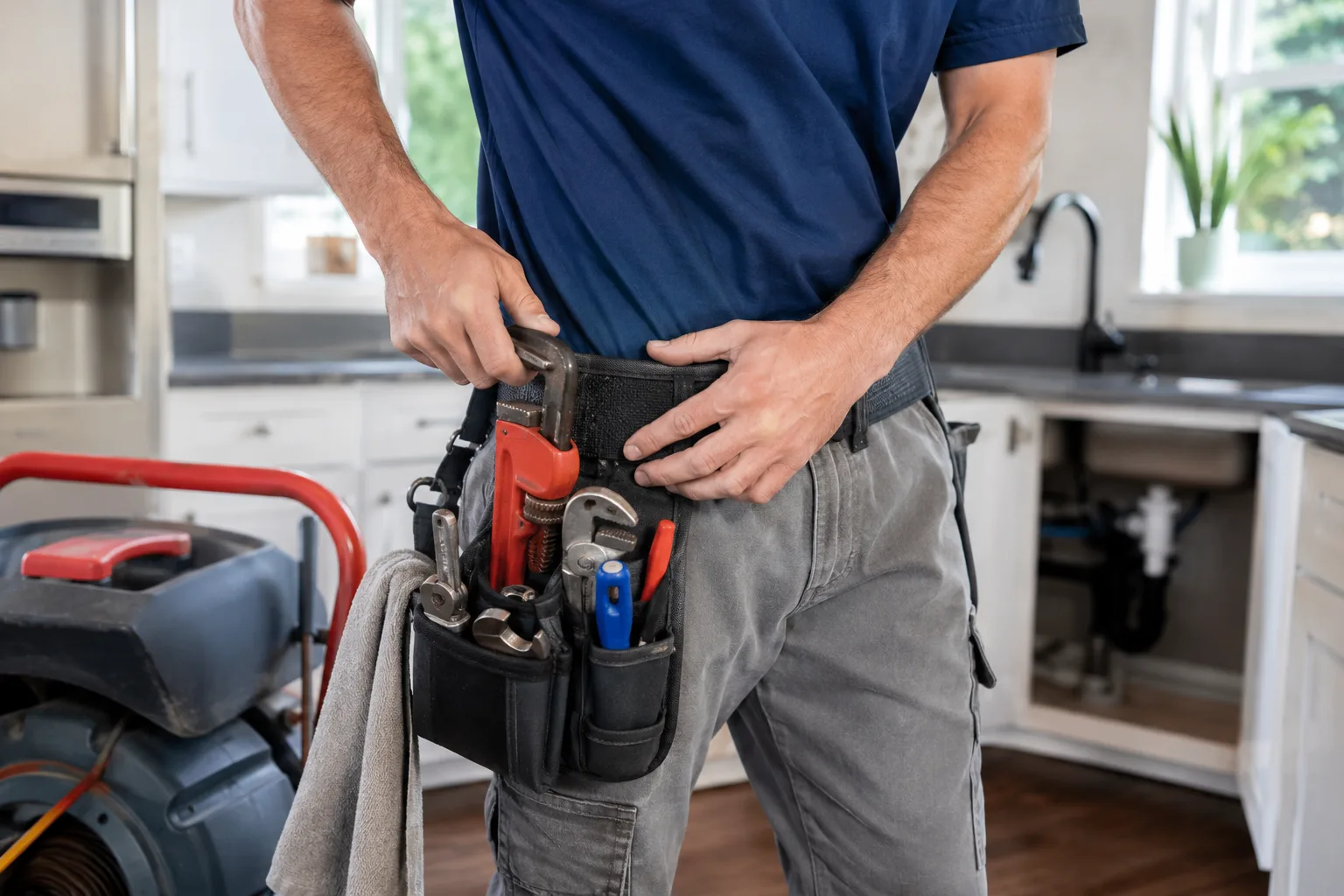
In a home, hydro jetting is most often considered for kitchen lines that have collected grease and food residue, or for main lines that have slowed gradually rather than clogging suddenly. Homeowners frequently request it after a cable clearing fails to keep a drain open, which can indicate that the pipe walls are coated rather than blocked by a single object.
Before jetting a residential line, a provider may recommend a camera inspection to confirm the pipe is sound, especially when the home's plumbing age or material is uncertain. This step helps avoid applying high pressure to a line that could be cracked or corroded, and it gives the homeowner a clearer picture of what is actually causing repeated backups.
For property managers & businesses
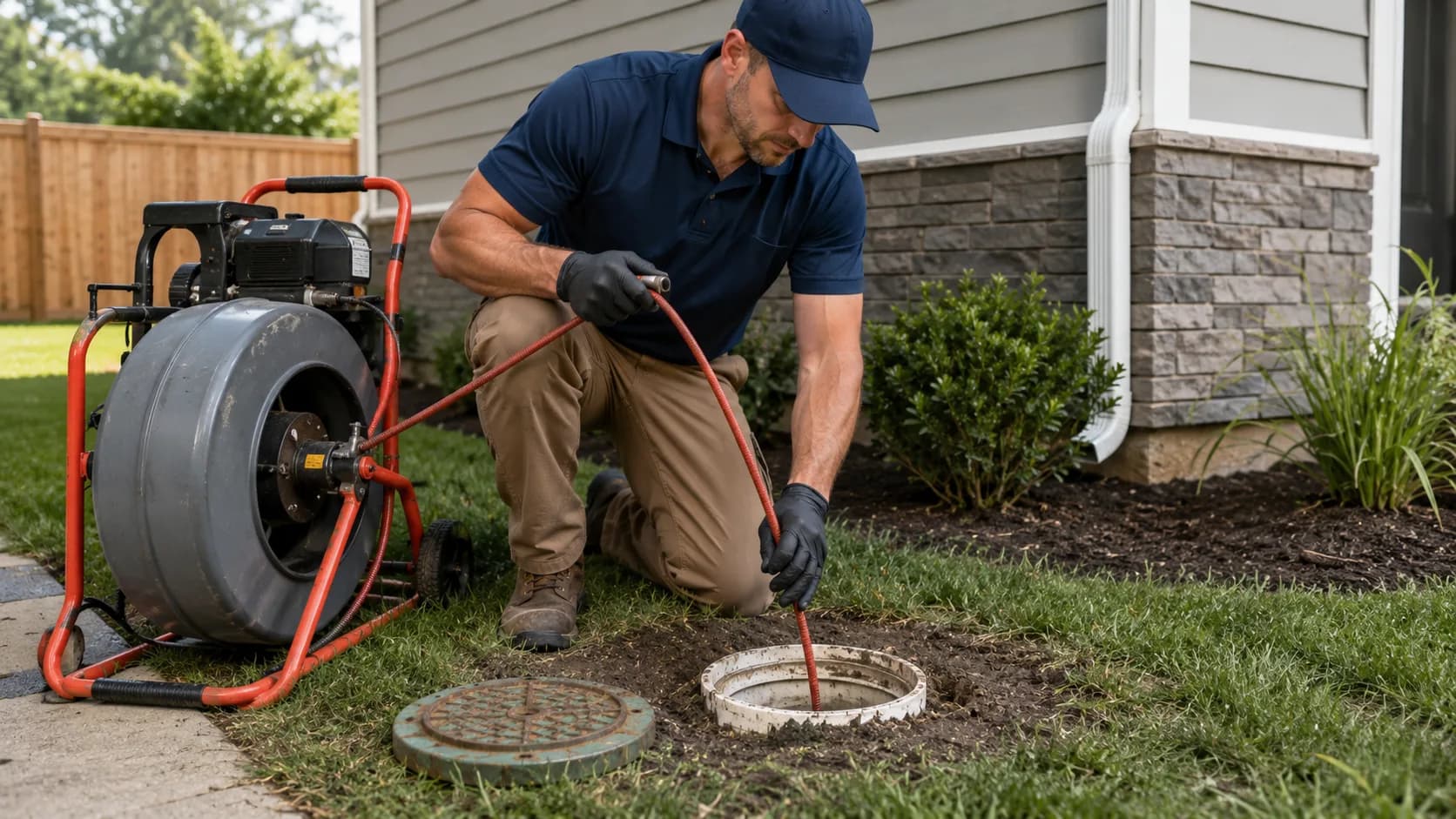
Commercial kitchens, restaurants, and food-service operations are common settings for hydro jetting because grease and fats accumulate quickly in their drain lines. Property managers may schedule periodic jetting as part of preventive maintenance to reduce the chance of a backup during business hours, though the appropriate interval depends on usage and should be assessed for each line.
Larger commercial buildings can have longer runs, shared lines, and multiple branches, which makes locating the right access point and selecting the correct nozzle more involved. A provider handling a commercial line will typically want to confirm the pipe diameter and material so the pressure and equipment match the system rather than risk damaging it.
Cost Factors
What affects the cost of hydro jetting
Pricing varies by situation and is set by the provider. These factors influence it.
Line size & length
Longer and larger lines take more time and water to jet thoroughly.
Severity of buildup
Heavy grease, hardened scale, or dense roots require more passes.
Camera inspection
Pre- and post-jetting inspection adds modest cost and verifies results.
Cleanout access
Convenient access is simpler than harder-to-reach lines.
Residential vs. commercial
Grease-heavy commercial lines may require larger equipment.
Questions To Ask
Questions to ask a service provider
Bring these to any provider who follows up on your request.
- Will the line be inspected with a camera before jetting to confirm it can handle the pressure?
- What is causing the repeated clogs, and is buildup or a structural fault the more likely issue?
- Is there a suitable cleanout or access point for the jetting equipment on this property?
- How will pressure and nozzle choice be matched to the pipe's size and material?
- Will the line be scoped again afterward to confirm the buildup was removed?
- Are there signs the pipe is too weakened for high-pressure cleaning?
- What can be done to slow the buildup from returning?
How to prepare
- Note which fixtures are draining slowly and how often the problem returns
- Locate any exterior or interior cleanout access points if you know where they are
- Clear the area around suspected access points so equipment can reach the line
- Gather any past plumbing records or prior inspection notes about pipe material
- Avoid pouring grease or heavy food waste down the drain in the days before service
- Be ready to describe whether clogs are isolated to one fixture or affect several
Safety guidance
- Keep hands and tools away from the nozzle and hose; high-pressure water can cause injury
- Allow only an equipped service provider to operate jetting equipment
- Confirm pipe condition first, since pressurized water can worsen an already damaged line
- Keep children and pets away from the work area and any open cleanouts
- Be aware that water and debris may spray from an access point during the process
- Ventilate the area if sewer odors are released when a line is opened
Prevention & maintenance
- Avoid pouring grease, oil, or fats down kitchen drains; collect and dispose of them separately
- Use a drain strainer to catch food scraps and solids before they enter the line
- Run hot water through kitchen drains regularly to help keep residue moving
- Schedule periodic maintenance cleaning for high-use or grease-prone lines
- Address slow drains early before buildup hardens into stubborn scale
- Keep a record of past cleanings to help judge when the next is due
Why A Professional
Why hydro jetting is best handled by a professional
Jetting equipment runs at high pressure and requires training to use safely. The correct nozzle and pressure depend on pipe material, diameter, and the blockage — the wrong choice on fragile pipe can do damage.
That's why professional jetting begins with a camera inspection to confirm the pipe can take the pressure and to verify the result — a level of care a rented consumer jetter can't match.
In the Boulder area
Front Range water carries high levels of calcium and magnesium, and the mineral scale it leaves behind builds up inside drain lines over years, narrowing the bore. This is the key reason hydro jetting often matters more in the Boulder area than in soft-water regions: a cable can punch through a clog, but scouring the full pipe wall is what clears hardened scale that snaking leaves behind.
Grease is the other recurring factor, particularly in heavy-use CU student rentals near University Hill and in commercial kitchens. Because high pressure can expose weaknesses in an already compromised pipe, an available local service provider may recommend confirming the line's material and condition with a camera inspection before jetting.
Jetting earns its keep everywhere the Front Range's hard water leaves scale, but especially in Gunbarrel's commercial kitchens and the newer PVC lines of Superior and Erie, where grease and mineral buildup return faster than snaking can keep up. On older pipe, a sewer camera inspection comes first to confirm the line can take the pressure.
Answers
Frequently Asked Questions
Common questions about hydro jetting.
Is hydro jetting safe for my pipes?
For pipes in sound condition, yes. A camera inspection beforehand confirms the line can handle jetting and sets the correct pressure. If the pipe is cracked or badly corroded, repair is recommended instead.
How is hydro jetting different from snaking?
Snaking uses a cable to break through and pull out a clog, clearing a path. Hydro jetting uses high-pressure water to scour the entire pipe wall and restore capacity. Jetting cleans; snaking clears.
How often should pipes be hydro jetted?
It depends on the line. Many homes never need it, while grease-prone kitchen lines, scale-narrowed pipe, or main lines with root history may benefit from periodic jetting as maintenance.
Does hydro jetting remove tree roots?
Yes. Nozzles fitted with cutting heads shear roots out of the line. Where roots keep returning, sealing the entry point with a repair or liner may also be recommended.
Will jetting fix a recurring clog for good?
Often, because it removes the buildup that causes clogs to reform. If a clog recurs after jetting, it usually points to a pipe defect that a camera inspection can identify.
Does hydro jetting use harsh chemicals?
No. Jetting cleans with water alone, making it an effective alternative to chemical drain cleaners.
How long does hydro jetting take?
A typical residential jetting takes roughly one to two hours including the camera inspection, depending on line length and the severity of buildup.
Can jetting help with hard-water scale?
Yes. Hard-water scale narrows pipes over time; jetting strips that scale off the pipe wall and restores flow better than mechanical cabling.
Free Estimate
Request a Free Drain Service Estimate
Share the drain or sewer problem, location, and preferred timing. Your request may be matched with an available local service provider for follow-up.
Any drain or sewer issue
Clogs, recurring backups, sewer-line questions, jetting, rooter, or camera inspections.
What to include
Affected fixtures, what you're seeing, how long it's lasted, and home vs. commercial.
Areas covered
Boulder and nearby communities across Boulder County and the Front Range.
What happens next
Your request may be matched with an available local service provider for follow-up.
Submitting this form allows us to contact you about your request and, where appropriate, connect you with a local service provider.
Form not loading? Open the estimate request.
Related Services
You might also need
Sewer Line Cleaning
Clearing roots, grease, and buildup from the main sewer line before it causes a backup.
View serviceRooter Service
Cutting and clearing tree roots from drains and sewer lines, then locating where they entered.
View serviceSewer Camera Inspection
Video inspection that shows the inside of a sewer line — roots, cracks, bellies, and blockages.
View serviceHydro Jetting requests across Boulder and nearby communities.
Have a drain or sewer problem in Boulder?
Tell us what's happening and request a free estimate from Boulder Drain Cleaning — licensed, insured, and available 24/7 for emergencies.