Rooter Service in Boulder, CO
Tree roots are a leading cause of sewer trouble in established neighborhoods. Rooter service cuts roots from the line, restores flow, and helps identify how to keep them out.
- Residential and commercial requests
- Boulder-area service coverage
- Free, no-obligation estimate request
Service at a glance
- Best suited for
- Tree-root intrusion or stubborn blockages in a branch or main line.
- Common signs
- Clogs return on a schedule — often seasonally — from roots in the line.
- Tools that may be used
- Rooter machine, root-cutting heads, sewer camera inspection
Related service
Sewer Line CleaningWhat is rooter service?
Quick answer
Rooter service is drain and sewer cleaning that specializes in cutting tree roots out of pipes. A rooter machine drives a rotating cable with a cutting head through the line to shear roots away and restore flow — typically used when roots have infiltrated a line and caused recurring clogs.
Roots are drawn to the moisture and nutrients inside a sewer pipe and enter through the smallest joint gap or crack, then grow into masses that catch waste.
Cutting restores flow today; a camera inspection to find the entry point is what makes a long-term fix possible, rather than clearing the same roots repeatedly.
- Licensed & insured
- 24/7 emergency availability
- Same-day service options
- Drain and sewer specialists
Rooter Service in Boulder, CO by Boulder Drain Cleaning. Licensed and insured drain and sewer service support for homes and businesses across Boulder and nearby areas.
"Rooter" service is named for its original purpose: rooting tree roots out of sewer lines. Once inside, roots grow into dense masses that catch paper and waste, causing recurring clogs.
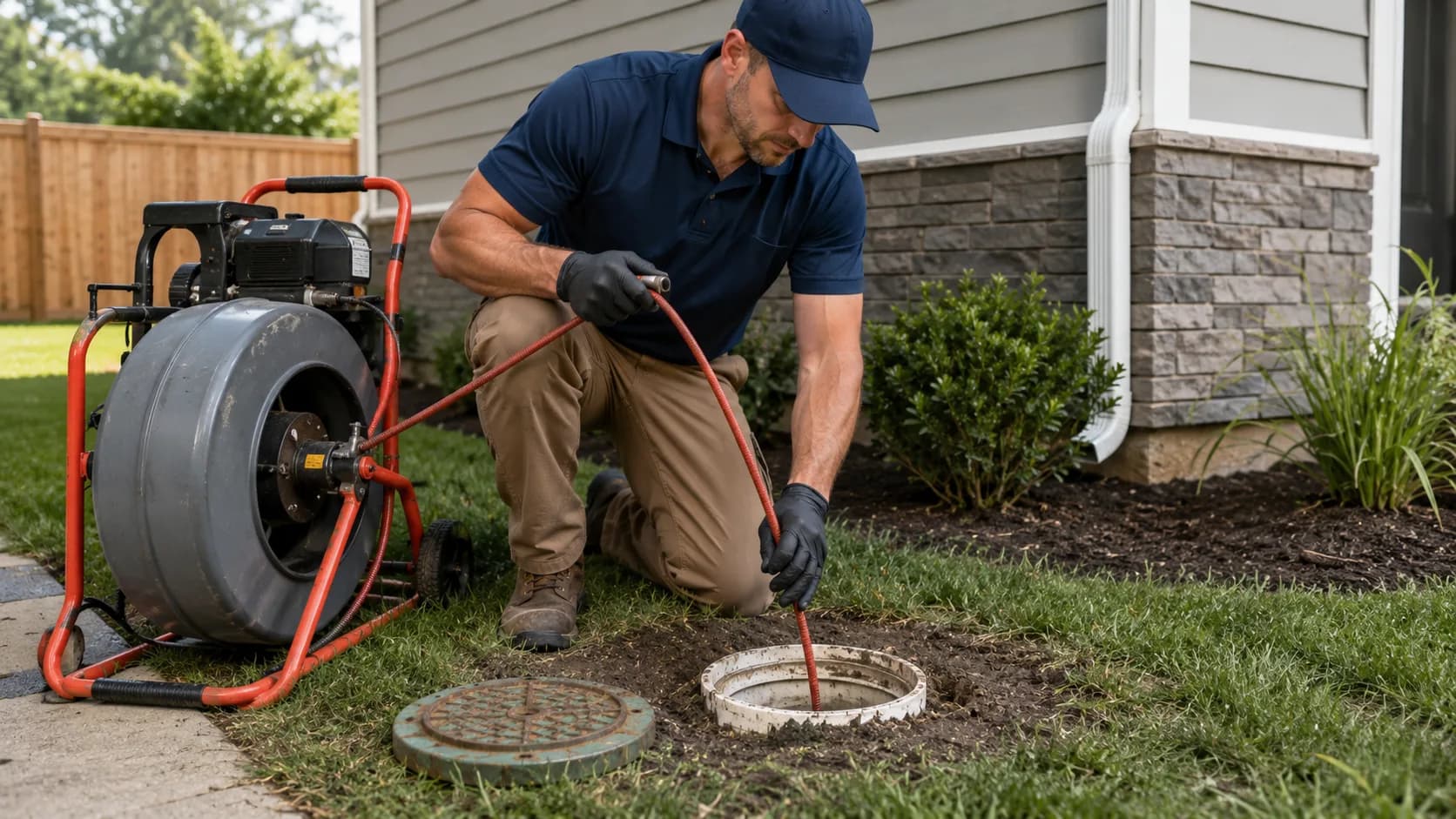
A rooter machine drives a rotating cable with a cutting head through the line to shear the roots from the pipe wall. For heavy or repeat intrusion, hydro jetting can follow to clean the wall completely, and a camera inspection locates the entry point.
Established neighborhoods with mature trees and aging clay or cast-iron laterals see more root intrusion than almost any other drain problem — clearing the roots restores flow, and sealing the entry point keeps them out longer-term.
Rooter service refers to mechanically cutting and clearing tree and shrub roots that have grown into a sewer line, then identifying where the roots are entering the pipe. Roots are drawn to the moisture and nutrients inside sewer lines and can enter through small cracks or loose joints, gradually forming a mass that slows or blocks flow. This service is requested when a line backs up repeatedly, particularly when the property has mature landscaping near the sewer run.
When To Use This Service
Is rooter service the right call?
Use these scenarios as a quick decision guide. If several apply, this is likely the service to request — though a provider confirms the cause on site.
Recurring main-line backups that return every several months, a common pattern with root intrusion
Gurgling toilets or multiple drains backing up at once, suggesting a main-line obstruction
A sewer line running beneath or near mature trees and large shrubs
Slow drainage across the whole house rather than at a single fixture
A previous clearing that found roots and you want the entry point located
Sewage odors or backups that worsen during wet seasons when roots are most active
Clogged drain service or sewer-line service?
A quick way to tell whether the problem is local or in the main line.
Clogged drain service
- Usually one fixture or branch line
- Localized symptoms
- Other fixtures work normally
Sewer-line service
- Several fixtures affected
- Backup at a low drain
- Toilets and drains react together
Warning Signs
Know the warning level
Drain symptoms tend to escalate. Catching them at the early or recurring stage is far easier than handling an urgent backup.
- Drainage is slower than usual
- Occasional gurgling from a drain or trap
Good time to request service before it worsens.
- Recurring clogs that return every few weeks or months
- Gurgling toilets and slow drains across the house
- Backups that start in the lowest drains
- Sewer odor in the yard or basement
- Unusually lush or fast-growing grass over the sewer line
- Multiple fixtures draining slowly at once
Worth diagnosing the cause so it stops returning.
- A root mass has fully blocked the main line and sewage is backing up
- Multiple fixtures backing up at once from root intrusion
- A backup during heavy snowmelt when the line is already stressed
- Sewage surfacing in the yard over a root-damaged line
Common Causes
What leads to rooter service
Roots seeking moisture
Roots are drawn to the moisture escaping from tiny gaps in a sewer line.
Aging pipe
Older clay and cast-iron pipe has joints and corrosion points that give roots a way in.
Cracked or offset joints
Ground movement opens gaps at joints that roots quickly exploit.
Landscaping over the line
Large trees near the sewer route put roots right where the pipe is.
Slow leaks
A minor leak creates the damp soil that encourages roots toward the pipe.
Step By Step
How rooter service clears a line
Mechanical cutting and clearing, step by step.
- 1
Assess & access
Confirm root intrusion is the cause and access the main line through the cleanout.
- 2
Cut the roots
A rooter machine drives a cutting head through the line to shear roots and reopen flow.
- 3
Jet for heavy roots
For dense or recurring masses, jetting cleans the pipe wall thoroughly.
- 4
Camera inspection
A camera locates the entry point and assesses the pipe for a longer-term plan.
- 5
Prevention guidance
Recommend a maintenance interval or a repair/liner to seal the entry point.
Inspection & Diagnosis
Inspection & diagnosis for rooter service
Root intrusion often reveals itself through a repeating pattern: a line clears, drains well for a time, then backs up again as roots regrow. A provider will typically ask about how often backups occur, where they show up first, and whether large trees grow near the sewer path. These clues help distinguish root problems from grease buildup or a structural fault, which present differently.
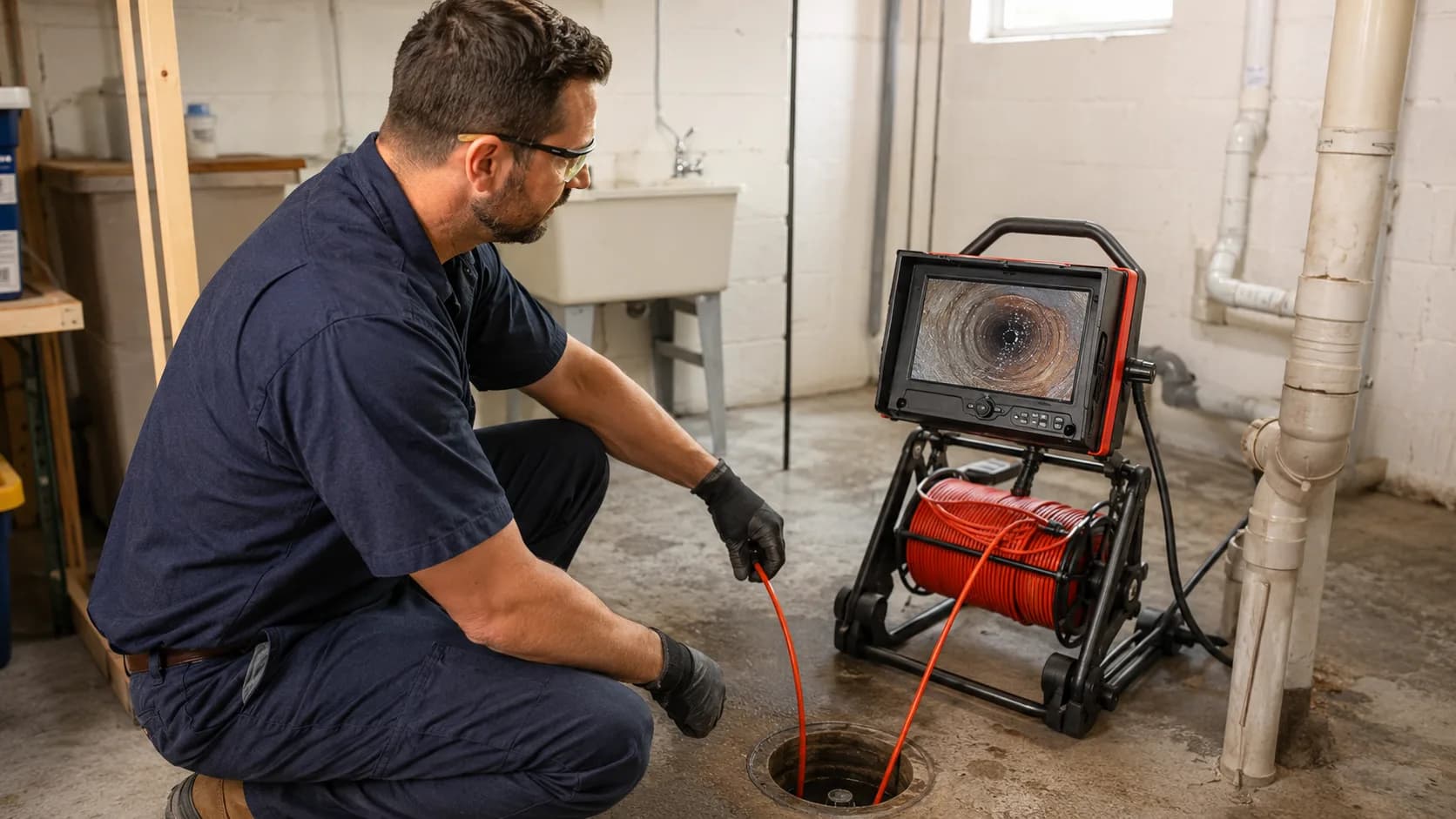
After cutting roots from the line, locating the entry point is an important part of the service because roots will return if the opening remains. A camera inspection is commonly used to find the cracked joint or fracture where roots enter, and a locator can mark its position on the surface. This information helps a property owner decide whether ongoing maintenance, a spot repair, or a larger fix is the better long-term path.
Limitations
What this service can't do
Every service has limits. Knowing them helps you request the right one.
- Cutting roots restores flow but does not seal the crack or joint where roots are entering
- Roots typically regrow over time, so a single clearing is rarely a permanent solution
- It does not repair the structural defect that allowed roots in
- Very heavy buildup of grease or scale alongside roots may need an additional cleaning method
- Severe pipe damage behind the roots may make clearing only a temporary measure
- Access to a cleanout or suitable entry point is needed to run the cutting equipment
When You May Need Another Service
Situations that call for something else
A camera reveals a cracked or collapsed pipe at the root entry point
Sealing or repairing the defect is what actually stops roots from returning; cutting alone is temporary.
Sewer Line RepairThe line is extensively damaged along much of its length
When the pipe is failing throughout, repeated root cutting is not cost-effective and replacement may be more appropriate.
Sewer Line ReplacementYou want to confirm where roots are entering and document pipe condition
A scope locates the entry point and shows whether the surrounding pipe is sound or compromised.
Sewer Camera Inspection
Compare Services
How rooter service differs from jetting and structural repair
| Factor | Rooter Service | Jetting / Repair |
|---|---|---|
| Main purpose | Cuts and clears roots, then locates entry | Jetting scours buildup; repair fixes the pipe |
| Best target | Root masses in the line | Grease and scale (jetting) or structural faults (repair) |
| Permanence | Temporary; roots tend to regrow | Repair addresses the entry point for a longer-term fix |
| Finds the cause | Helps locate where roots enter | Jetting cleans only; repair acts on the defect |
| Common follow-up | Often paired with a camera scope and repair plan | Jetting may follow to remove residual debris |
The Value
What rooter service accomplishes
Restores flow
Cutting the roots reopens the line and stops the backups.
Finds the entry point
Camera inspection locates exactly where roots get in so it can be addressed.
Pairs with jetting
Combining rootering with jetting cleans the pipe wall for longer-lasting results.
Helps prevent damage
Clearing roots before they fracture the pipe can avoid more expensive repairs.
Applications
Residential & commercial use
For homeowners
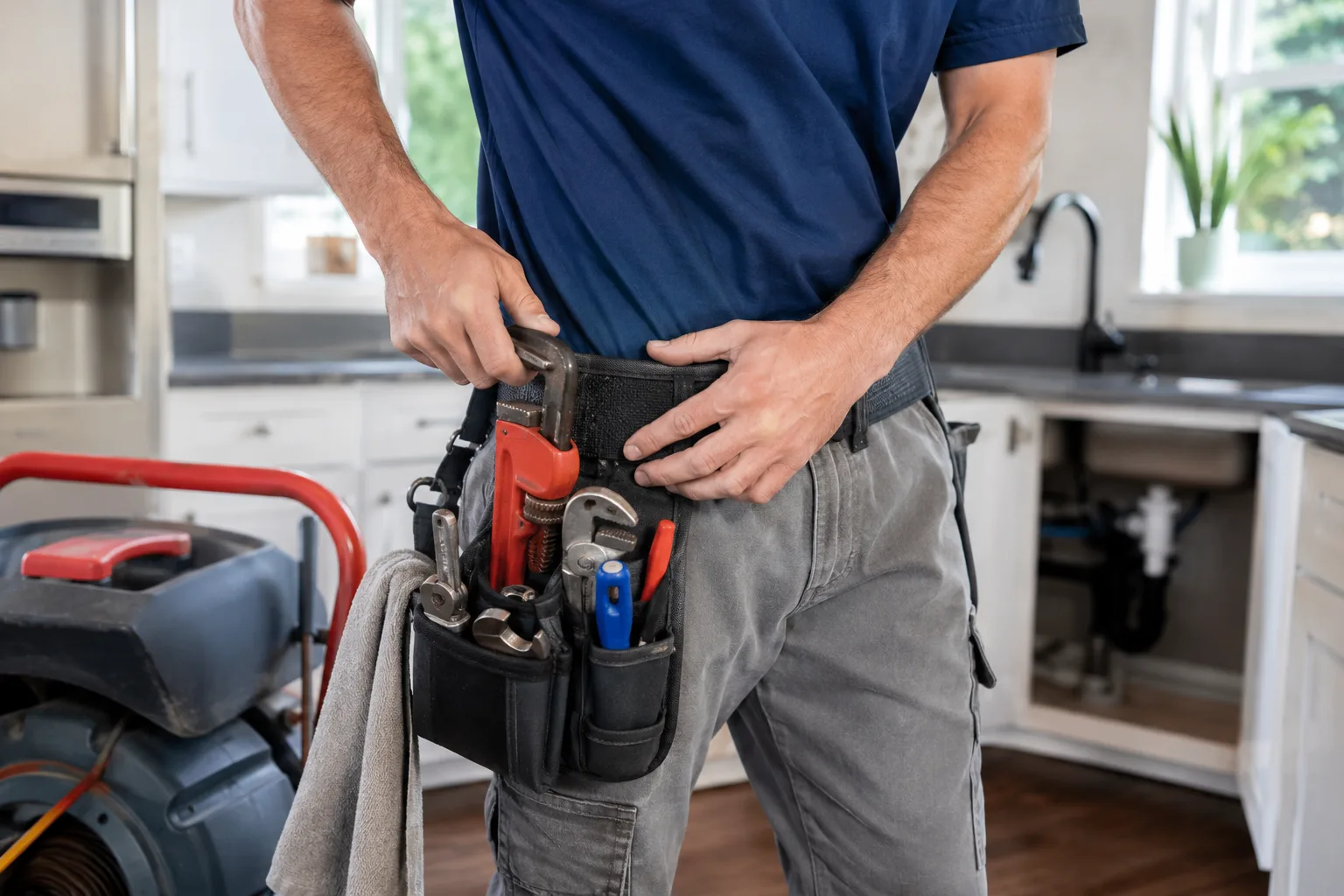
For homeowners, root intrusion is one of the most common reasons a main sewer line backs up repeatedly. Properties with established trees often have roots that have found their way into a joint or crack in the line, and the backups tend to follow a seasonal or recurring rhythm. Rooter service clears the immediate blockage and, when paired with a camera, shows the homeowner where the roots are getting in.
Because roots regrow, a homeowner may face a choice between scheduling periodic clearings or addressing the entry point with a repair. A provider who locates the defect can help the owner weigh these options. Knowing the exact spot and depth of the intrusion makes any future repair planning far more straightforward.
For property managers & businesses
Commercial and multi-unit properties with landscaped grounds can also experience root intrusion, sometimes affecting shared lines that serve several tenants or units. A backup in these settings can disrupt multiple occupants at once, so locating the entry point matters for planning a durable fix rather than relying on repeated emergency clearings.
On larger sites, sewer runs may be long and pass beneath parking areas, walkways, or mature plantings, which complicates both access and any eventual repair. A provider will often use a camera and locator to mark the intrusion point so a property manager can plan work with minimal disruption to operations.
Cost Factors
What affects the cost of rooter service
Pricing varies by situation and is set by the provider. These factors influence it.
Severity of intrusion
Light roots clear quickly; dense, established masses take more time.
Line length & access
Longer lines and harder-to-reach cleanouts increase labor.
Jetting add-on
Following rootering with jetting for a complete clean affects the total.
Camera inspection
Locating the entry point adds modest cost and long-term value.
Follow-up repair
Sealing the entry point with a repair or liner, if chosen, is quoted separately.
Questions To Ask
Questions to ask a service provider
Bring these to any provider who follows up on your request.
- How often have backups been occurring, and do they follow a seasonal pattern?
- Will the entry point be located and marked after the roots are cut?
- Is a camera inspection included so I can see where roots are entering?
- Is the surrounding pipe sound, or is there damage that will let roots return quickly?
- What are my options between periodic clearing and repairing the entry point?
- Are there trees near the sewer path that are likely the source?
- What is the realistic timeframe before roots may return if only cleared?
How to prepare
- Note the dates and frequency of past backups to help reveal a pattern
- Identify large trees or shrubs growing near the suspected sewer path
- Locate any cleanout access points on the property if known
- Clear access to the cleanout and the area around it
- Gather any earlier inspection footage or plumbing records you have
- Be ready to describe which drains or fixtures are affected first
Safety guidance
- Avoid contact with any sewage that has backed up; treat it as a contamination hazard
- Keep children and pets away from open cleanouts and the work area
- Do not run water in affected fixtures until the line is confirmed clear
- Let an equipped provider operate the cutting equipment to avoid injury
- Ventilate areas where sewer odors are released when the line is opened
- Wear gloves and wash thoroughly if you must handle anything near a backup
Prevention & maintenance
- Be mindful of planting large trees near the known sewer line path
- Address recurring slow drains early before a root mass fully forms
- Consider periodic inspections if mature trees grow near the line
- Keep a record of where roots have entered so future issues are easier to trace
- Discuss whether repairing the entry point is more durable than repeated clearing
- Watch for early warning signs such as gurgling toilets or seasonal slowdowns
Why A Professional
Why rooter service is best handled by a professional
Root intrusion is deceptive: cabling can reopen the line and make it seem solved, only for the roots to regrow within months. Pairing cutting with a camera inspection finds the entry point so you can choose between maintenance and a permanent seal.
Professional rooter machines also carry the cutter sizes and power needed for dense roots in a main line, and the experience to clear them without catching the cable or harming an old pipe.
In the Boulder area
Root intrusion is the single most common cause of recurring backups in Boulder's historic core. Mature cottonwoods, elms, and silver maples throughout neighborhoods like Mapleton Hill, Whittier, Newlands, and University Hill send roots into the joints of older clay laterals, where they form a mass that slows or blocks flow and regrows after each clearing.
Cutting the roots restores flow, but the opening that let them in remains. An available local service provider can locate and mark the entry point so a property owner can weigh ongoing maintenance against a spot repair, based on the line's verified material and condition rather than assumptions.
Root intrusion is the signature problem of the older, tree-lined neighborhoods in Lafayette, Louisville, and Niwot, where cottonwoods and silver maples reach the joints in clay laterals. Cutting restores flow; a sewer camera inspection finds the entry point so a sewer line repair can seal it for good.
Answers
Frequently Asked Questions
Common questions about rooter service.
What does rooter service mean?
Rooter service is drain cleaning that specializes in cutting tree roots out of drains and sewer lines. The name comes from the rooter machine — a powered cable with a cutting head — that shears roots from the pipe wall.
Why do roots keep growing back into my sewer line?
Roots re-enter through the same joint gap or crack that let them in. Cutting restores flow, but unless the entry point is sealed with a repair or liner, they regrow. A camera inspection locates that entry point.
How do I know if tree roots are in my sewer line?
Telltale signs include recurring clogs, gurgling toilets, slow drains across the house, sewer odor, and unusually lush grass over the line. A camera inspection confirms root intrusion and shows where it's happening.
Is rooter service the same as hydro jetting?
They're related but different. Rootering uses a cutting cable to shear roots; hydro jetting uses high-pressure water to scour the pipe wall. For heavy intrusion, both are often used together.
Will I have to remove my trees?
Usually not. The lasting fix is sealing the pipe so roots can't enter — through a spot repair or liner — rather than removing trees.
How often will I need rooter service?
If the entry point isn't sealed, many homeowners need rootering periodically. Sealing or relining the pipe eliminates the recurring need.
Can roots damage the sewer pipe permanently?
Yes. As roots grow they expand inside the pipe and can crack or break it, turning a cleaning problem into a repair or replacement. Clearing roots early helps prevent that escalation.
What should I do if roots have caused a backup?
Stop using water to limit the backup and request service promptly. A blocked main line affecting the whole home should be treated as urgent.
Free Estimate
Request a Free Drain Service Estimate
Share the drain or sewer problem, location, and preferred timing. Your request may be matched with an available local service provider for follow-up.
Any drain or sewer issue
Clogs, recurring backups, sewer-line questions, jetting, rooter, or camera inspections.
What to include
Affected fixtures, what you're seeing, how long it's lasted, and home vs. commercial.
Areas covered
Boulder and nearby communities across Boulder County and the Front Range.
What happens next
Your request may be matched with an available local service provider for follow-up.
Submitting this form allows us to contact you about your request and, where appropriate, connect you with a local service provider.
Form not loading? Open the estimate request.
Related Services
You might also need
Sewer Line Cleaning
Clearing roots, grease, and buildup from the main sewer line before it causes a backup.
View serviceHydro Jetting
High-pressure water cleaning that scours grease, scale, and roots from the full pipe wall.
View serviceSewer Camera Inspection
Video inspection that shows the inside of a sewer line — roots, cracks, bellies, and blockages.
View serviceRooter Service requests across Boulder and nearby communities.
Have a drain or sewer problem in Boulder?
Tell us what's happening and request a free estimate from Boulder Drain Cleaning — licensed, insured, and available 24/7 for emergencies.